
As technology continues to advance, healthcare apps have emerged as a powerful tool in improving health monitoring. These apps combine the convenience of mobile devices with the accuracy of medical data, revolutionizing the way we manage our well-being. In this article, we will explore five key ways in which healthcare apps are transforming health monitoring for the better.
1. Real-Time Data Tracking
Gone are the days when we had to rely solely on periodic check-ups to monitor our health. With healthcare apps, we now have the ability to track our vital signs and health metrics in real-time. From heart rate and blood pressure to sleep patterns and calorie intake, these apps provide us with up-to-date information about our well-being.
2. Personalized Health Insights
Healthcare apps leverage the power of data analytics and artificial intelligence to provide personalized insights into our health. By analyzing the data collected over time, these apps can identify patterns, trends, and potential health risks. This knowledge empowers individuals to make informed decisions about their lifestyle and take proactive steps towards improving their well-being.
3. Remote Monitoring and Telemedicine
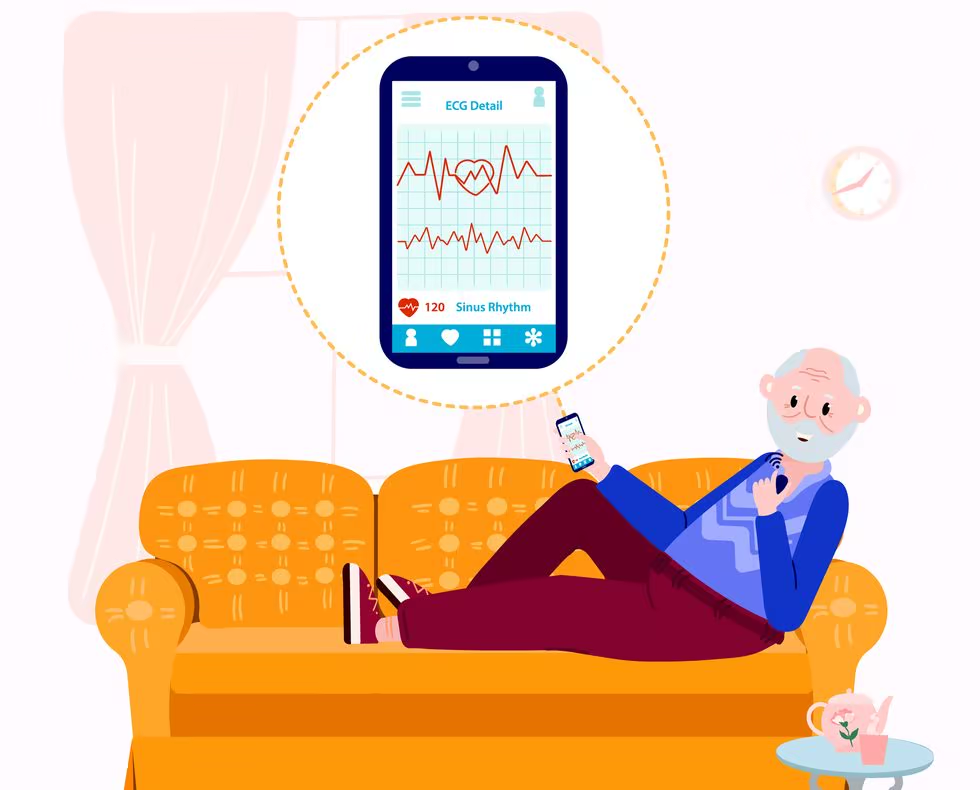
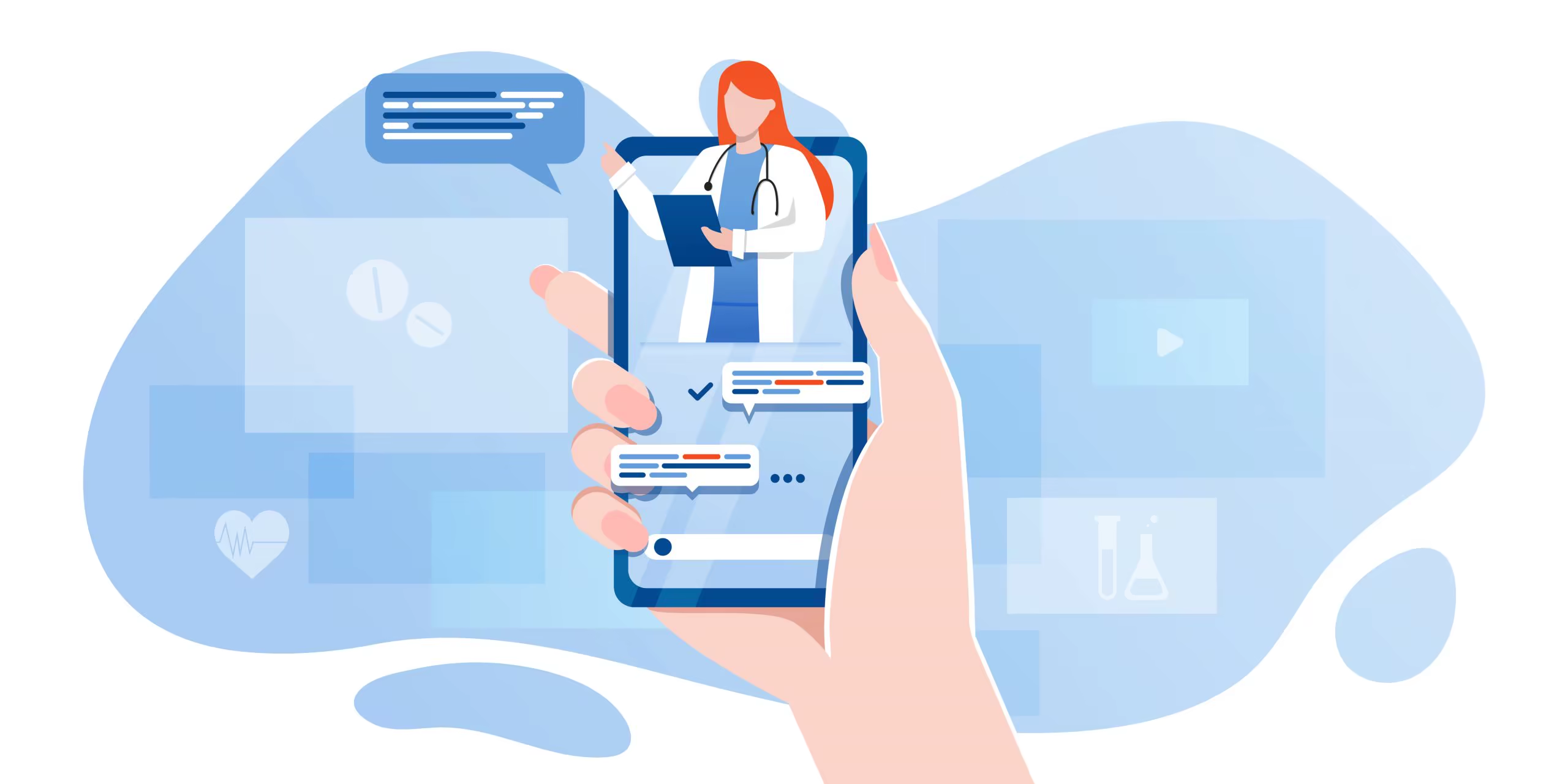
Healthcare apps bridge the gap between patients and healthcare professionals, enabling remote monitoring and telemedicine. Through these apps, patients can securely share their health data with doctors, eliminating the need for frequent in-person visits. This not only saves time and money but also allows healthcare providers to intervene promptly in case of any concerning developments.
4. Medication and Appointment Reminders
Adherence to medication schedules and timely healthcare appointments are crucial for effective health management. Healthcare apps play a vital role in ensuring that individuals stay on track with their medications and appointments. These apps send timely reminders, helping users manage their health-related tasks more efficiently and reducing the likelihood of missed medications or appointments.
5. Health Education and Behavior Modification
Many healthcare apps offer educational resources and tools to promote health literacy and behavior modification. These apps provide valuable information on various health topics, enabling users to make more informed decisions about their lifestyle choices. Additionally, some apps use gamification and rewards systems to encourage users to adopt healthier habits, making health monitoring a more engaging and enjoyable experience.
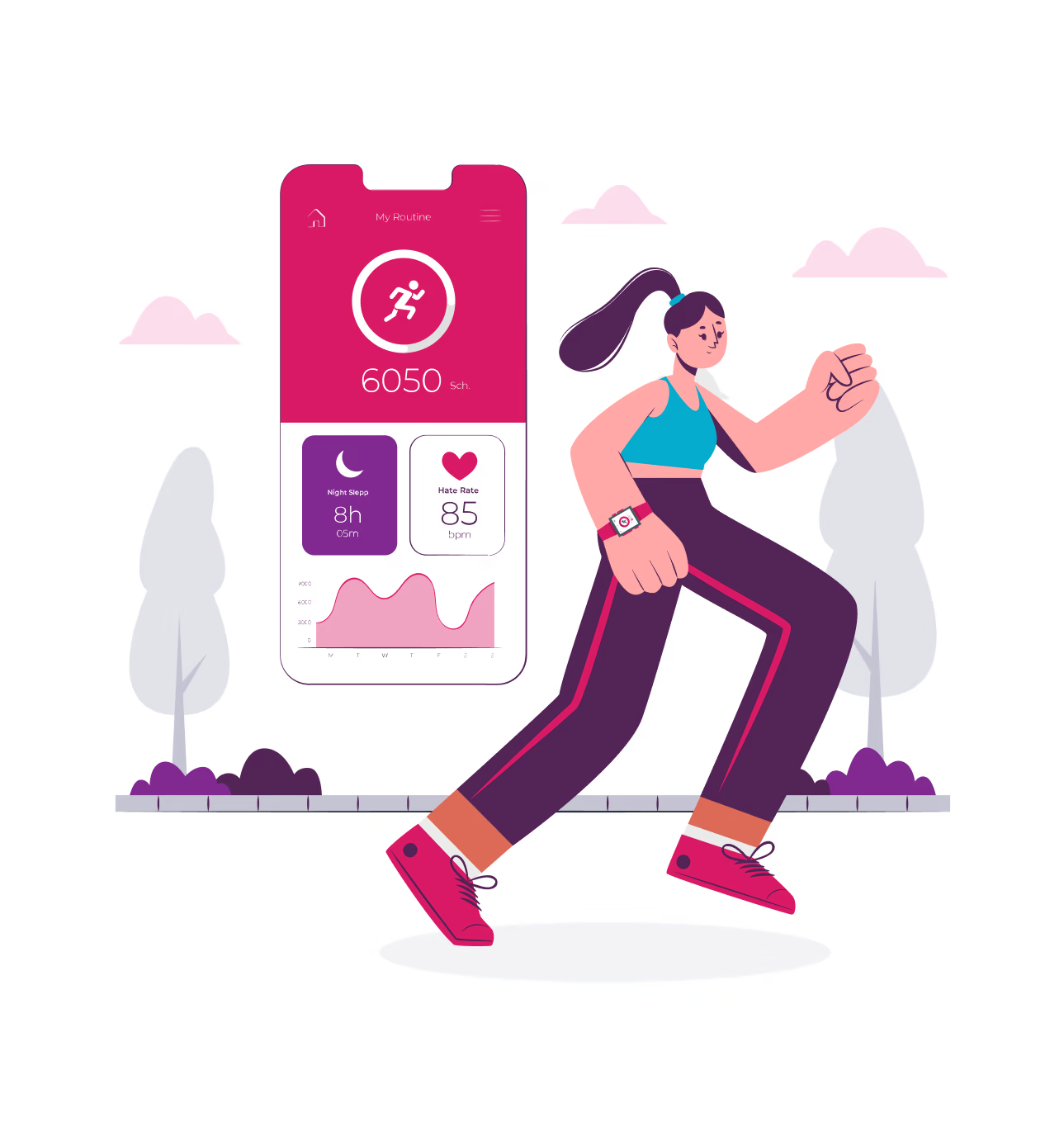
Healthcare apps have revolutionized the way we monitor our health, offering real-time data tracking, personalized insights, remote monitoring, medication reminders, and health education. With their user-friendly interfaces and advanced functionalities, these apps empower individuals to take control of their well-being like never before. Embracing healthcare apps can lead to improved health outcomes and a more proactive approach to personal healthcare management.